Pet Travel Checklist: Pack & Plan Safe Trips (Printable)
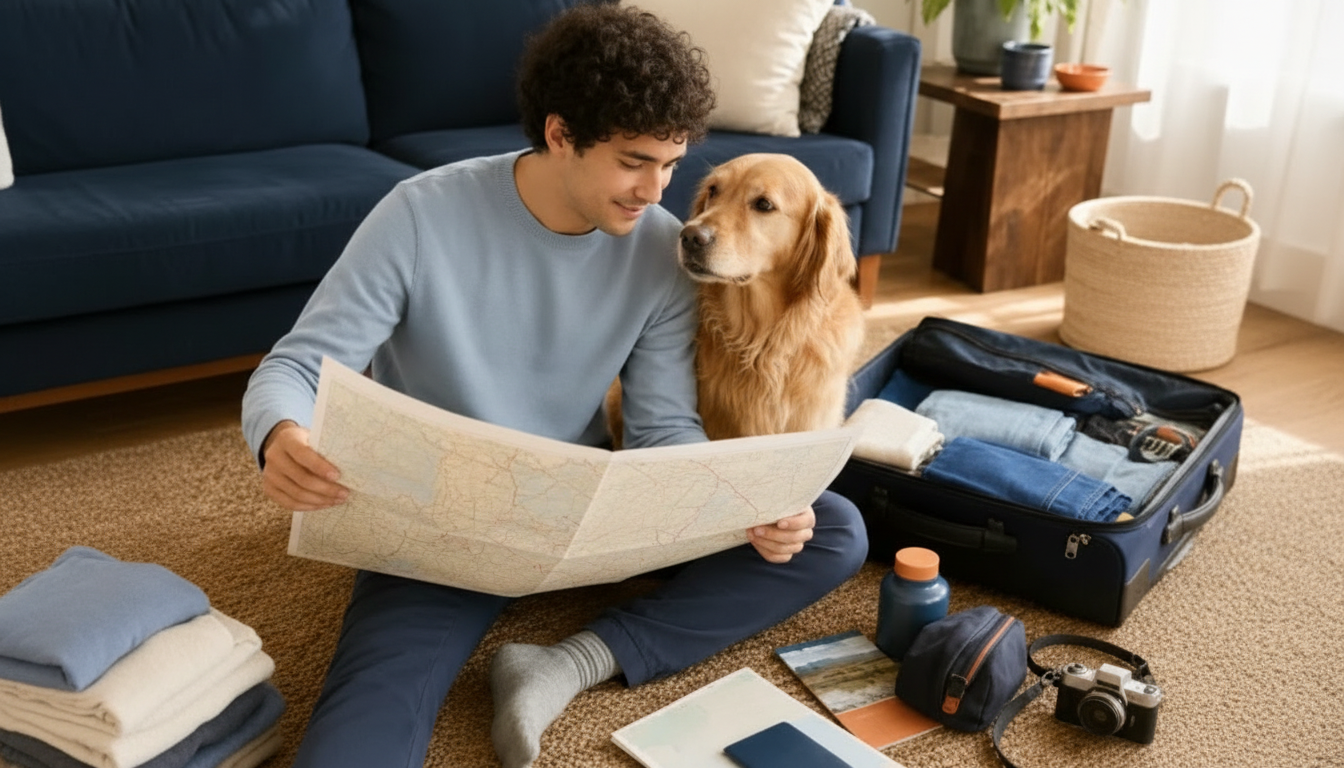
Pet Travel Essentials Checklist for Safe Trips (Printable Planner for Dogs & Cats)
Travel days go better when pet needs are handled like a simple routine: verified rules, updated records, safe restraint, predictable food and water breaks, and cleanup supplies that are easy to reach. Whether you’re planning a weekend road trip or a longer vacation, the checklist below helps organize what to do before departure and what to pack for dogs or cats—plus a printable planner format that keeps the details in one place. For more guidance, see Travel Safety Tips | ASPCA.
Before You Leave: Quick Safety Prep That Prevents Most Travel Problems
- Confirm pet rules early. Double-check lodging policies, pet fees, size/weight limits, restricted areas, and local leash laws for parks and beaches.
- Consider a vet check for longer trips. If your pet is a senior, has ongoing conditions, or you’ll be traveling for many hours, ask your veterinarian about travel readiness and motion sickness options if needed.
- Update identification. Make sure collar tags have your current phone number, and confirm microchip registration details are correct.
- Pack records. Keep paper or digital copies of vaccination/health records, any required permits, and a recent photo for identification.
- Do a “practice run.” A short carrier session, harness walk, or brief test drive can reduce anxiety when departure day arrives.
For additional travel guidance from veterinary and animal welfare organizations, review the AVMA pet travel tips and the ASPCA travel safety recommendations. For further reading, see Pet Travel Safety – CDC.
Containment & Car Setup: Safe Positioning for Every Mile
- Use secure, crash-tested restraint whenever possible. Cats and small dogs are typically safest in a secured carrier or crate strapped onto a flat surface.
- For larger dogs, choose a safer setup. A crash-tested harness with a seat-belt tether or a properly secured crate allows standing and turning while limiting dangerous movement.
- Keep pets out of the front seat. Unrestrained laps and front-seat rides raise risk during sudden stops and airbag deployment.
- Reduce sliding and mess. A seat cover or waterproof blanket helps protect upholstery and provides better traction during turns and braking.
- Plan ventilation and shade. Use sunshades and keep airflow directed toward the pet area, especially in warm weather.
Road Trip Packing List for Dogs & Cats (Core Essentials)
- Food & water: Bring enough for the full trip plus at least one extra day, along with collapsible bowls. If your pet has a sensitive stomach, stick to familiar water when possible.
- Medications: Pack daily meds, preventatives, and a written schedule. Store prescriptions in original containers when you can.
- Leash, harness, and backup gear: A second leash or harness can prevent a ruined outing if something breaks or disappears.
- Waste & cleanup: Poop bags, cat litter options, paper towels, enzyme cleaner, and disposable gloves keep small accidents from becoming big problems.
- Comfort & routine: Bring a familiar blanket/bed, a favorite toy, and any vet-recommended calming aids—then keep meals as consistent as travel allows.
Essentials checklist by category (pack + keep accessible)
| Category | Pack in luggage | Keep within reach |
|---|---|---|
| Documents & ID | Vaccination/health records, microchip info, pet photo | Emergency contacts, rabies tag info |
| Food & water | Extra food, treats, supplements | Water, travel bowls, small portion of food |
| Safety gear | Backup leash/harness, reflective gear | Primary leash/harness, carrier/crate access |
| Health items | Preventatives, first-aid kit, meds refill | Next dose meds, tick remover, wipes |
| Cleanup | Extra bags/litter, enzyme cleaner | Poop bags, paper towels, wipes |
| Comfort | Bed/blanket, toys, crate mat | One toy/blanket for calming |
First-Aid & Health Items Worth Packing (Beyond the Basics)
- Pet first-aid kit: Gauze, self-adhering wrap, pet-safe antiseptic wipes, tweezers/tick tool, digital thermometer, and blunt scissors.
- Stomach upset support: Vet-approved probiotics and a simple bland-diet plan (confirm details with your veterinarian before you need it).
- Hot/cold conditions: Cooling towel for heat and an insulated blanket for cold. Avoid leaving pets in parked cars even for short stops.
- Allergies and sensitivities: If your pet’s skin reacts easily, bring the wipes or shampoo you already know works.
- Emergency planning: Save the nearest 24/7 emergency clinic for your route and destination, and keep addresses available offline in case signal drops.
Feeding, Hydration, and Break Schedules for Smoother Travel Days
- Start with a lighter meal. Feeding a smaller portion before departure can help reduce motion-related nausea, and travel days aren’t the time for brand-new treats.
- Offer frequent, small water breaks. This helps prevent dehydration without overloading the stomach. For cats, familiar water and a quiet in-car sip break can be more successful than a hectic roadside stop.
- Plan reliable stops for dogs. Aim for breaks every 2–3 hours (more often for puppies and seniors), and clip the leash on before opening doors.
- Plan for cat comfort. Line the carrier with absorbent pads and bring spares. For long trips, a portable litter option can help—especially if your cat is comfortable using it.
- Keep the rhythm consistent. Similar meal times, a calm period after stops, and a predictable bedtime can make unfamiliar places feel easier.
At the Destination: Settle In, Pet-Proof, and Prevent Escapes
Printable Planner: Make Packing and Travel Days Easier
Recommended travel-friendly downloads and planning tools
- Printable Pet Travel Essentials Checklist and Planner (quick-to-print packing list + travel day steps)
- Travel Security & Scam Awareness Guide (useful if your trip includes busy tourist areas or multiple stops)
- Cute Ceramic Tulip Pen Holder (a simple desk organizer for keeping printed checklists, notes, and travel documents together)
FAQ
What essentials do you need for a dog on a road trip?
Bring a safe restraint (secured crate or crash-tested harness), leash plus a backup, food and water with travel bowls, medications and records, waste bags and basic cleaning supplies, comfort items, and a small first-aid kit. Plan stops every 2–3 hours and never leave your dog in a parked car.












Leave a comment